How to Start a Photo Booth Business in 2026 — European Guide
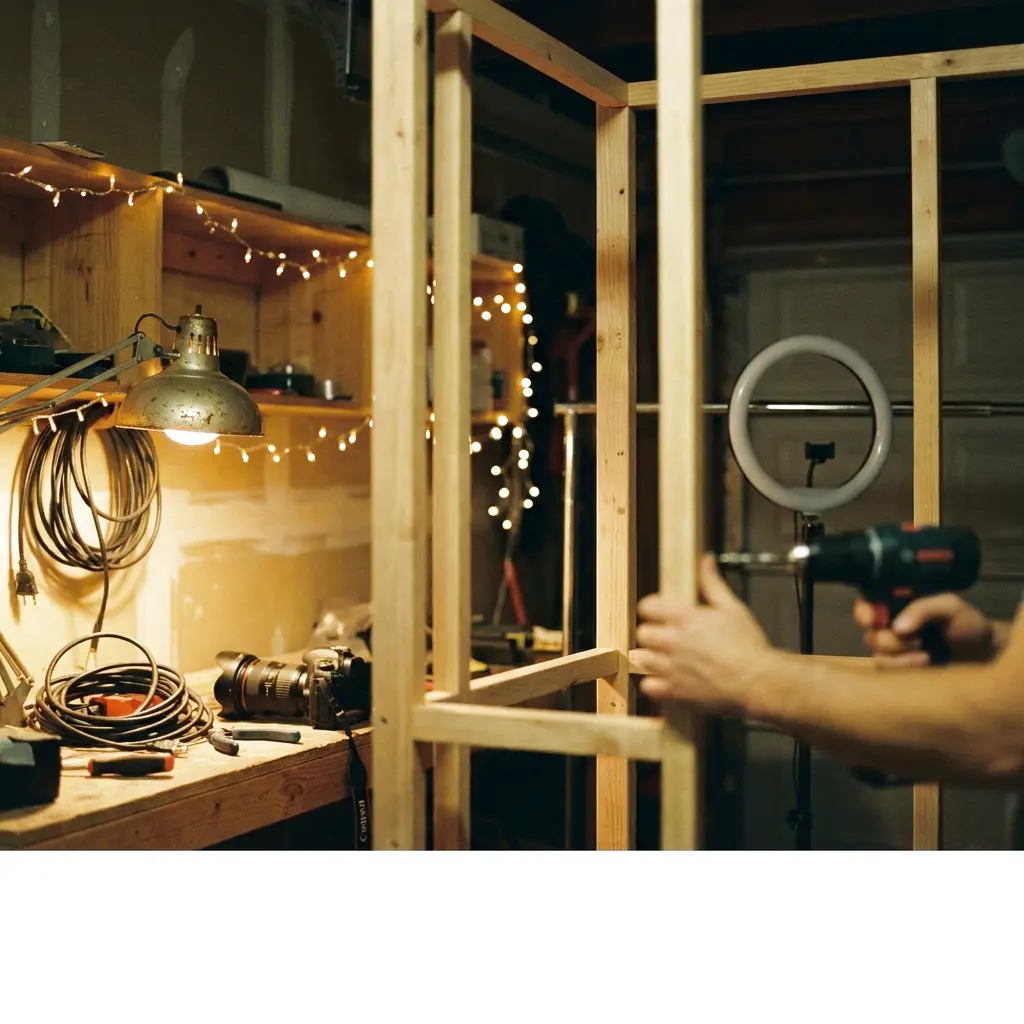
Photo booths started as a novelty at weddings. Over the past decade they have become a regular booking at corporate events, birthday parties, proms and brand activations. Demand is high in 2026, equipment costs less than it did, and booking software now handles most of the admin.
This guide goes through nine steps, from the first research to your first event, and what has worked for operators who started from nothing.
Research the Market
Before spending money on equipment, spend time understanding the market in your area. Check what other photo booth operators charge, what types of booths are popular, and where the gaps are.
Look at competitor websites, social media pages, and review profiles. Note their pricing, packages, and target events. Weddings and corporate events make up most operators' bookings, but school events, birthday parties, and brand activations are growing markets.
Talk to wedding venues, event planners, and corporate event organisers in your area. Ask what they look for in a photo booth supplier. Their answers should shape your pricing and how you present the business.
Choose Your Booth Type
There are now several kinds of booth to choose from: open-air booths (simple, portable, affordable to start), enclosed booths (premium feel, popular at weddings), 360 booths (video content, social media appeal), mirror booths (interactive, striking appearance), and GIF booths (social sharing focus).
For most new operators, an open-air setup or 360 booth offers the best balance of startup cost, portability, and market demand. Open-air booths can be set up with a decent DSLR camera, studio lighting, backdrop stand, and a tablet-based controller for under €4,000.
Avoid buying cheap, unbranded equipment from overseas marketplaces without thorough research. Poor prints, unreliable software or a breakdown at a paid event will damage your reputation quickly.
Register Your Business
Business registration varies by EU country. In Germany, register with the Gewerbeamt (trade office). In France, register with the Chambre de Commerce. In the Netherlands, register with the KvK (Chamber of Commerce). Research your specific country's requirements and costs.
Choose a business name carefully — it should be available as a domain name and on social media. Check your country's business registry to confirm the name isn't taken. Avoid names that lock you into one city.
Open a separate business bank account immediately. Mixing personal and business finances is a common mistake. Check your country's VAT registration threshold and register early if you expect to exceed it.
Sort Insurance and Compliance
Public liability insurance is essential. Coverage of €2M–€5M is recommended, though requirements vary by country. Many venues require proof of insurance. Expect to pay €300–€700/year.
Ensure your electrical equipment meets local safety standards (CE marking). Some countries require periodic safety inspections for commercial electrical equipment.
If you're collecting guest information (names, emails, photos), you must comply with GDPR. Have a clear privacy policy, define your legal basis for processing, and ensure you can fulfil data subject access requests. Fines for non-compliance can be significant.
Set Your Pricing
Many new operators undercharge. Look at local market rates first: most European photo booth operators charge €500–€1,100 for a 3–4 hour wedding package, though this varies significantly by country and city.
Build packages rather than hourly rates. A typical structure is: Bronze (3 hours, unlimited prints, digital gallery), Silver (4 hours, custom template, attendant), Gold (5 hours, premium extras, social sharing). Packages make upselling easier.
Factor in all your costs: equipment depreciation, consumables, travel, software, insurance, and your own hourly rate. Check whether your country requires VAT-inclusive pricing for consumers.
Build Your Online Presence
Your website is where most clients will decide. At minimum, it needs clear pricing (or a 'from' price), a portfolio, an enquiry or booking form, and contact details. WordPress, Squarespace, or Wix will do the job without a developer.
Claim your Google Business Profile — it's free and helps you appear in local searches. Get your first clients to leave Google reviews as quickly as possible. Also list on country-specific wedding directories.
Instagram is the natural platform for photo booth businesses across Europe. Post event photos regularly; it shows your work and brings in enquiries.
Set Up Booking Software
Handling enquiries and bookings by email and spreadsheet works when you're doing 2–3 bookings a month. Once volume grows, you need dedicated booking software for availability, contracts, payments, and client communication.
BoothZen is built for photo booth operators and is free to start. It handles your public availability calendar, sends automatic booking confirmations, generates contracts for e-signature, and processes deposits and balance payments through Stripe.
Automated emails mean you're not chasing every client by hand.
Get Your First Bookings
Your first bookings are the hardest to land because you have no reviews and a thin portfolio. What works: offer a discounted rate for friends and family events in exchange for photos and a review; reach out to wedding planners and venue coordinators; list on country-specific wedding and event directories.
Network within wedding and event industry communities online. Answer questions and help people out; work comes from that more than from selling.
Consider a community event at a reduced rate in your first few months. A local event, charity fundraiser, or school party gives you real experience, photos for your portfolio, and word-of-mouth referrals.
Your First Event
Arrive early: plan to be fully set up and tested at least 30 minutes before your stated start time. Bring spares: spare cable, spare USB, extra paper and ink.
Be friendly and patient with guests who aren't sure what to do. The photos are what you sell, but guests remember how the booth felt to use.
Follow up after every event with a gallery delivery email, a thank-you message, and a gentle review request. Reviews bring in more work than anything else you can do.
Where to start
Research your equipment, register the business, and set up your booking system before your first client. When the first enquiries come in, they can check your dates, book and pay a deposit straight away.
BoothZen is free to start and takes about 30 seconds to set up. It handles your availability, contracts, payments and client emails.
Start your free accountFrequently Asked Questions
How much does it cost to start a photo booth business?
Startup costs vary by country. Equipment typically costs €3,000–€10,000. Add business registration (varies), insurance (€300–€700/year), a website (€500–€2,000 or DIY), and software (free with BoothZen). Total first-year costs typically land between €5,000–€15,000.
Is a photo booth business profitable?
Yes, it can be. A single booking at €500–€1,100 covers a fraction of your equipment costs. With regular bookings, annual revenue of €30,000–€80,000 is achievable within the first couple of years. Profit margins are typically 60–75% once equipment is paid off.
Do I need a licence to run a photo booth business in Europe?
Requirements vary by country. Generally you'll need: business registration, public liability insurance (€2M–€5M recommended), CE-marked electrical equipment, and GDPR-compliant data handling policies for guest photos. Check your specific country's requirements.